Ms. Zhou, a 71-year-old woman, was found to have a nodule in her right lung during a routine physical examination ten years ago. Recently, a follow-up CT scan at another hospital suggested early-stage lung cancer (minimally invasive adenocarcinoma, MIA).
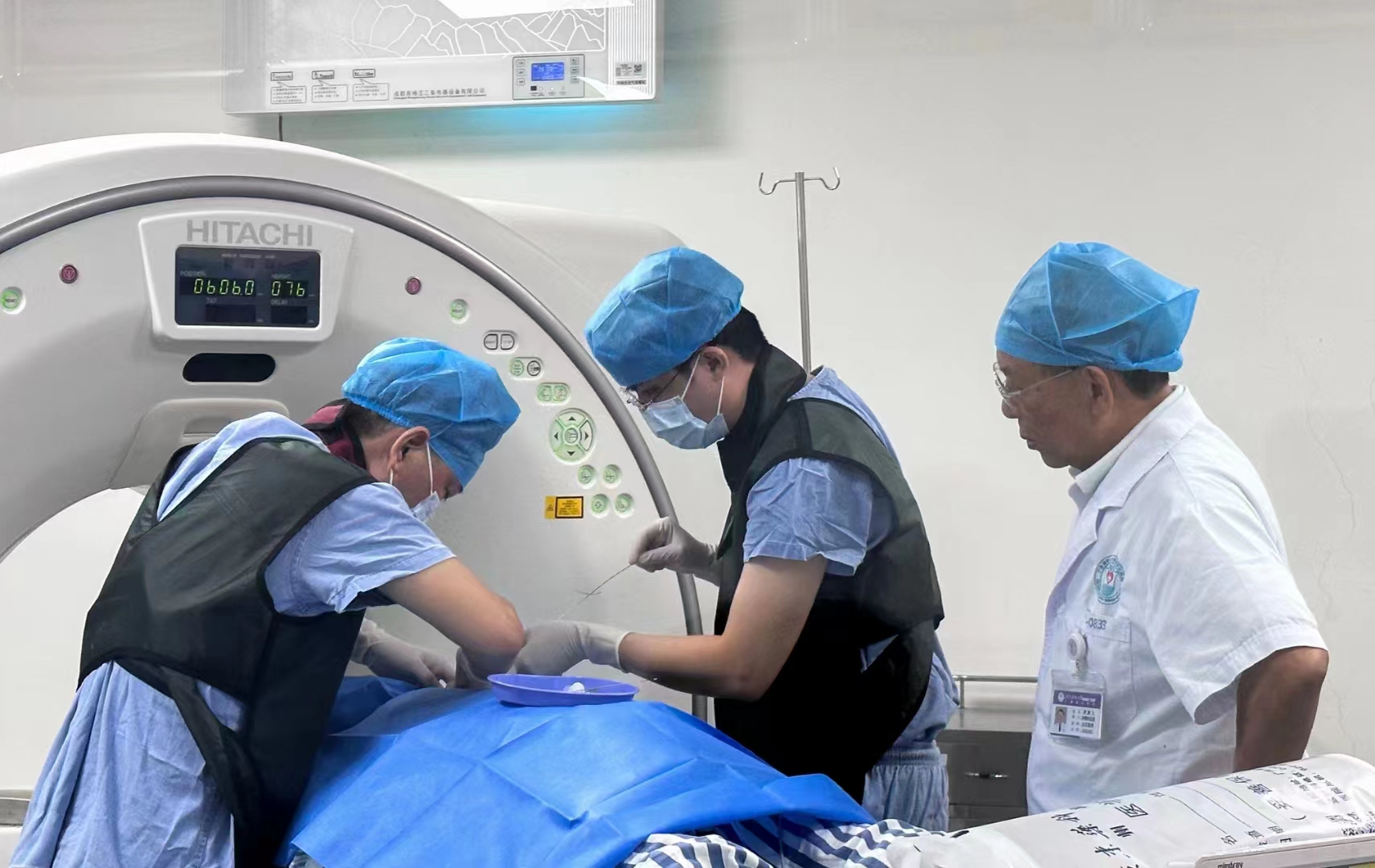
Faced with this sudden blow, Ms. Zhou promptly sought out Director Wang Jian of the Fifth Oncology Department at Guangdong Pharmaceutical University Guangzhou Fosun Chancheng Hospital (Guangzhou Xinshi Hospital). Using a CT-guided core needle biopsy combined with cryoablation, following a "dual-needle pincer approach - ablation - sampling - ablation" procedure, she achieved simultaneous diagnosis and treatment in a single step.
Ms. Zhou, 71, had a right lung nodule discovered during a physical exam ten years ago. Due to the absence of symptoms, she did not undergo regular follow-up. In the past two years, she occasionally experienced a cough, but examinations at other hospitals only advised "periodic observation."
A recent follow-up revealed that Ms. Zhou's nodule had grown from 0.8 cm to 1.5 cm. PET-CT showed mildly increased metabolism, raising high suspicion for early-stage lung cancer! After visiting several hospitals, Ms. Zhou sought treatment based on the reputation of Director Wang Jian from our hospital's Fifth Oncology Department.
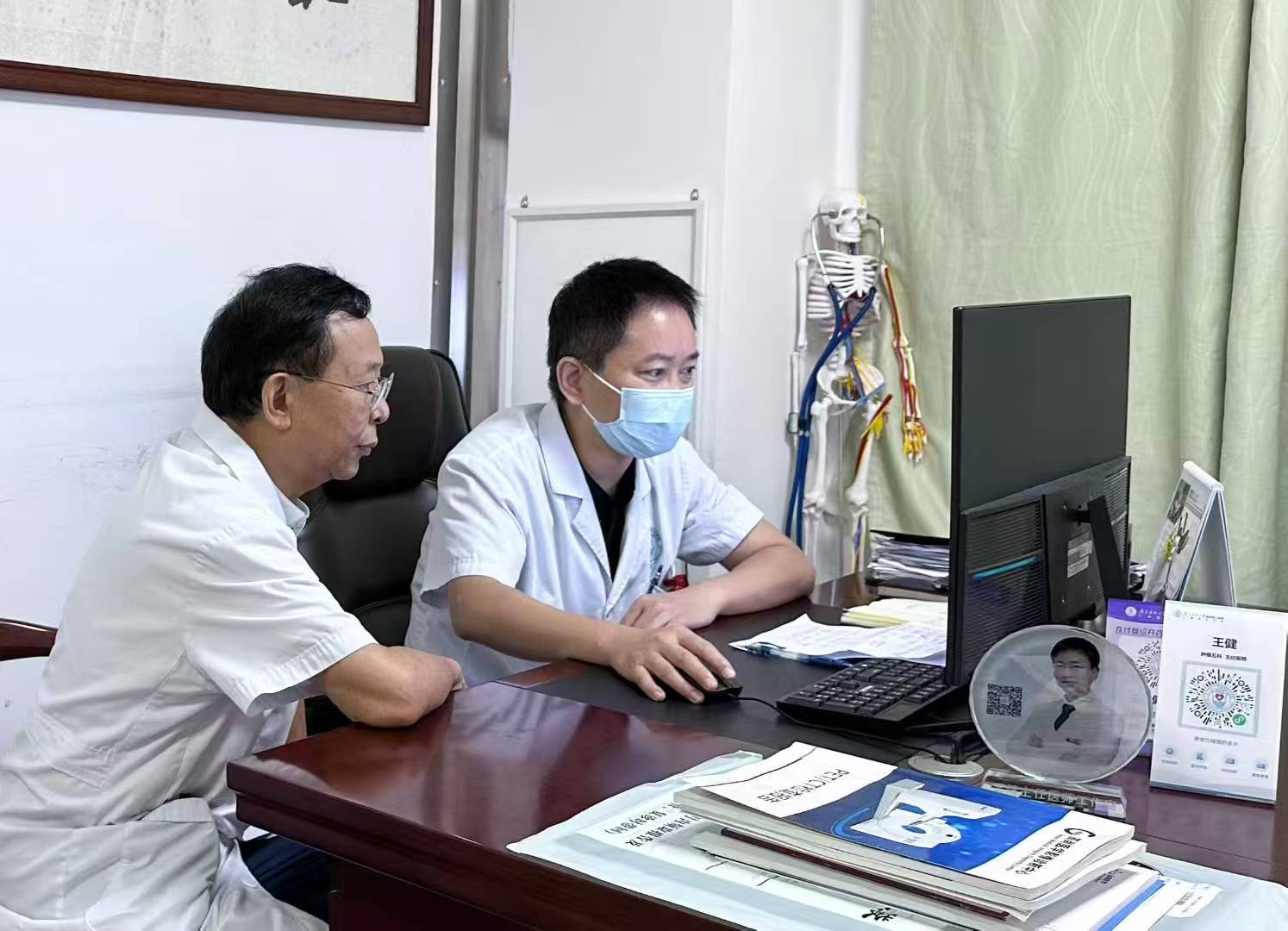
Facing challenges such as the patient's advanced age and the nodule's specific location, Director Wang Jian meticulously analyzed the imaging data and proposed an innovative plan: "Perform CT-guided core needle biopsy simultaneously with cryoablation, achieving both a definitive diagnosis and treatment of the lesion in one go."
During the procedure, he used a dual-needle clamping technique to stabilize the 1.5 cm ground-glass nodule. After the initial cryoablation cycle, he performed the pathological sampling, followed by a second cryoablation cycle to form a complete ice ball covering the lesion. Post-operative pathology confirmed the diagnosis as adenocarcinoma in situ (AIS) of the lung, validating Director Wang's pre-operative assessment of its "malignant tendency."
Dual-Needle Positioning for Effective Localization
Under real-time CT guidance, two biopsy needles were inserted from different angles to reach the edge of the nodule. Director Wang Jian explained, "The dual-needle technique ensures the accuracy of the biopsy sample while also defining a safe margin for the subsequent ablation, minimizing damage to the surrounding healthy lung tissue."
Cryoablation to Inactivate the Lesion
Liquid nitrogen at -196°C was injected through the needles, rapidly forming an "ice ball" encapsulating the nodule. The extremely low temperature effectively destroys the structure of cancer cells. The two cryoablation cycles ensured complete coverage of the lesion and the surrounding 5mm of tissue.
Simultaneous Biopsy for Definitive Diagnosis
After thawing, Director Wang Jian's team performed tissue sampling from the edge of the ablation zone. The post-operative pathology confirmed adenocarcinoma in situ of the lung. Director Wang Jian emphasized, "Biopsy after cryoablation reduces the risk of bleeding and improves the integrity of the specimen, providing a reliable basis for subsequent treatment."
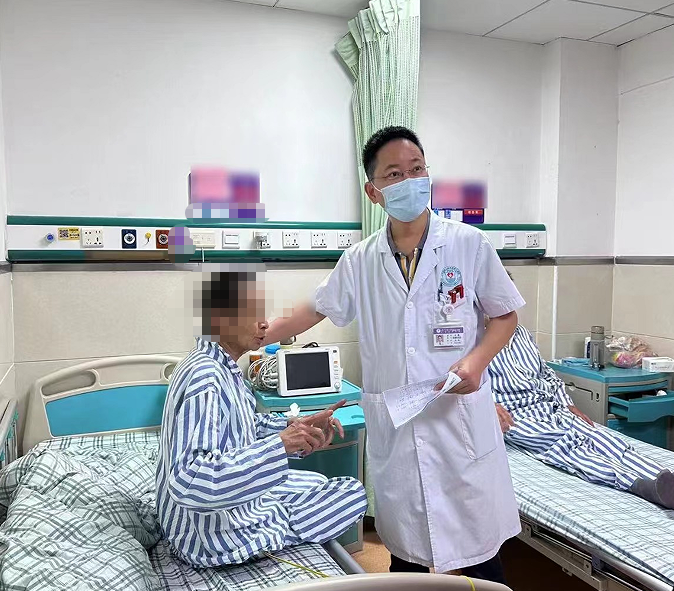
This procedure left only two needle-prick-sized wounds. The patient was able to get out of bed the day after the procedure and was discharged three days later. Director Wang Jian stated, "For early-stage lung cancers measuring 1-3 cm, the five-year survival rate for cryoablation is comparable to surgery, but with smaller wounds and faster recovery. It represents a significant alternative treatment option."
Director Wang Jian reminds patients with pulmonary nodules to pay attention to the following three points:
Follow-up Must Be Scientific: For persistent ground-glass nodules that increase in size or show changes in density, close re-examination every 3-6 months is necessary.
Treatment Should Be Proactive: Highly suspicious malignant nodules should be intervened upon as early as possible. The traditional approach of "observation without treatment" may delay a crucial window for treatment.
Technique Selection is Key: CT-guided cryoablation can achieve both diagnosis and treatment simultaneously, making it particularly suitable for elderly patients with poor cardiopulmonary function.