Ms. Chen, a resident of Lufeng, Guangdong, has been battling cancer for six years. In 2020, she was diagnosed with cervical cancer and underwent surgical treatment at another hospital. After the surgery, her condition stabilized, and the tumor did not recur. Just as she began to hope for a gradual return to normal life, she was beset by a sudden, mysterious illness that tormented her for nearly four years.
Two years after her surgery, Ms. Chen noticed unexplained swelling in her left groin. The discomfort gradually spread to her entire left lower limb. The affected leg became red, swollen, and hot to the touch, with a circumference far exceeding that of her right leg, forming an unsightly "elephant leg." During flare-ups, the pain was so severe she could barely walk, accompanied by fever, chills, and confusion, making even basic daily activities a challenge.
In an attempt to cure this "mismatched leg" condition, Ms. Chen visited numerous major hospitals in Guangzhou. Most diagnosed her with cellulitis. However, despite repeated treatments, her symptoms would only temporarily improve, never achieving a permanent cure. The prolonged suffering gradually led her to despair: "I felt like there was no hope, like I might have to live with this leg for the rest of my life."
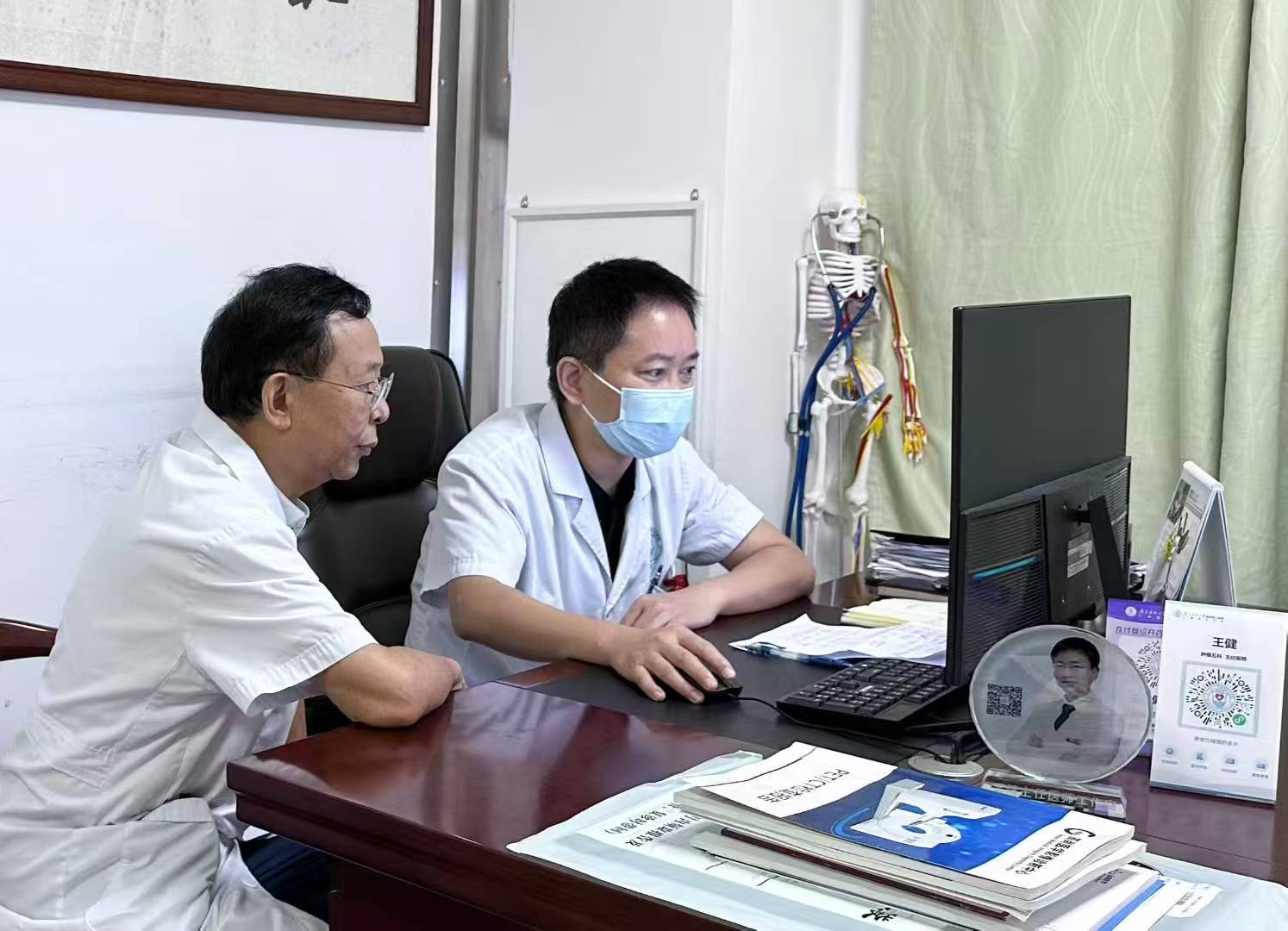
Clutching to a final shred of hope, Ms. Chen, dragging her swollen left leg, sought out the Luo Pengfei · Wang Jian Interventional Oncology Research Team at the Fifth Oncology Department of Guangdong Pharmaceutical University Guangzhou Fosun Chancheng Hospital (Xinshi Hospital). Upon examination, Professors Luo Pengfei and Wang Jian, considering Ms. Chen's history of cancer and her clinical symptoms, and drawing upon the Programmatic Interventional Oncology Theory and their extensive clinical experience, preliminarily ruled out cellulitis.
To pinpoint the exact cause, the team performed a venography of the left common iliac vein and popliteal vein for Ms. Chen in late February 2026. The imaging results clearly showed a stenosis (narrowing) of the left common iliac vein, accompanied by the formation of collateral circulation and obstructed flow of contrast agent. The definitive diagnosis was left lower limb thrombophlebitis. This underlying condition was the root cause of the poor venous return from her lower limb, resulting in the stubborn "elephant leg."
After evaluation, the expert team determined that Ms. Chen had localized stenosis of the left common iliac vein with thrombus formation, causing not only severe swelling and pain but also posing a life-threatening risk if the thrombus were to dislodge and cause a pulmonary embolism. Alleviating her symptoms fundamentally required unblocking the occluded blood vessel and reconstructing the blood flow pathway.
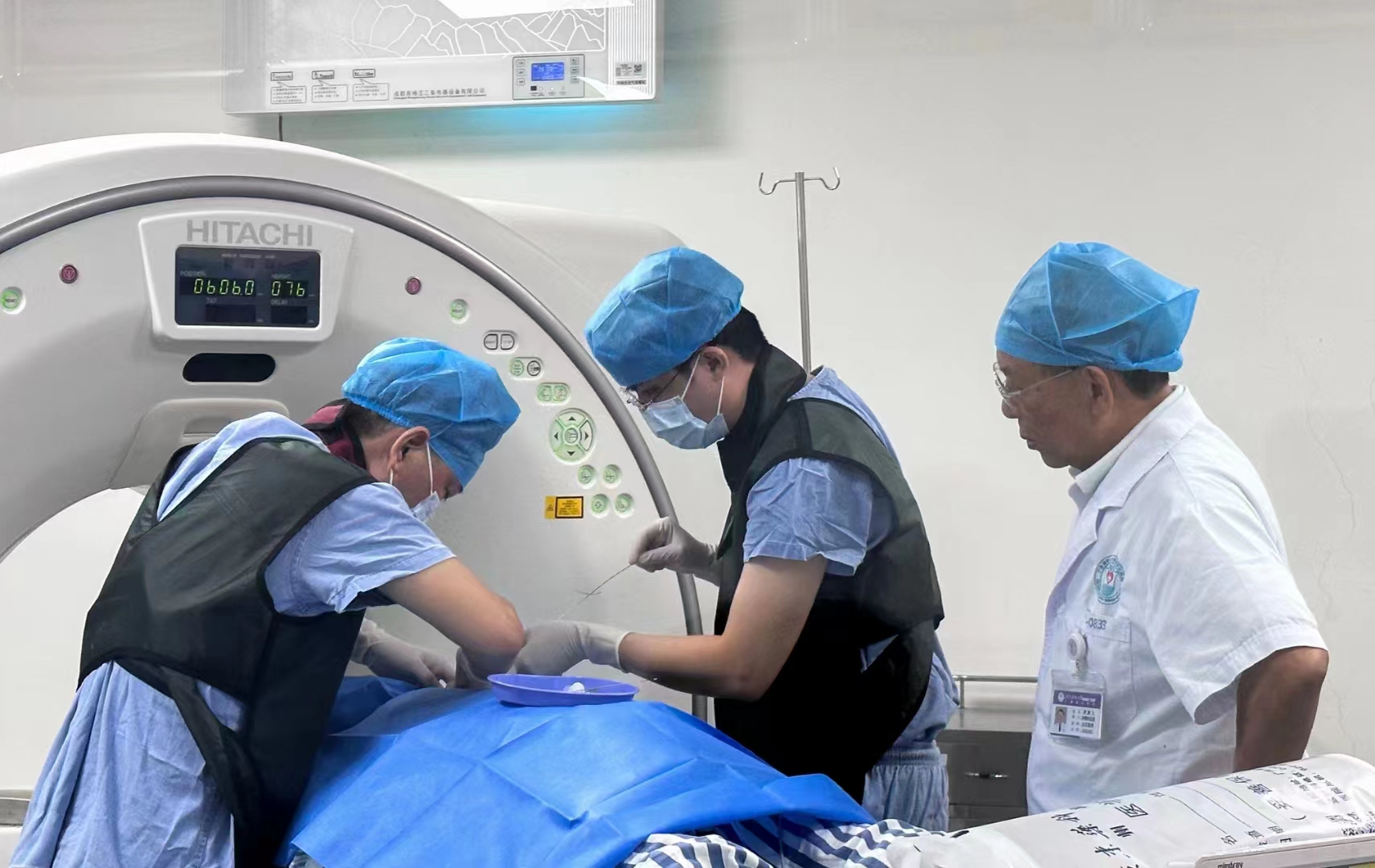
Earlier this month, under the direct guidance of Professor Luo Pengfei, Director Wang Jian performed a minimally invasive procedure for Ms. Chen: left common iliac vein angiography, balloon angioplasty, and stent implantation. During the operation, the lesion was precisely located. The stenotic and occluded vessel was first dilated adequately using a balloon, followed by the successful implantation of a vascular stent. Digital subtraction angiography (DSA) imaging confirmed the stent was well-expanded and precisely positioned, fully covering the occluded segment, with contrast agent flowing smoothly into the inferior vena cava. The vascular blockage that had troubled Ms. Chen for nearly four years was completely resolved.
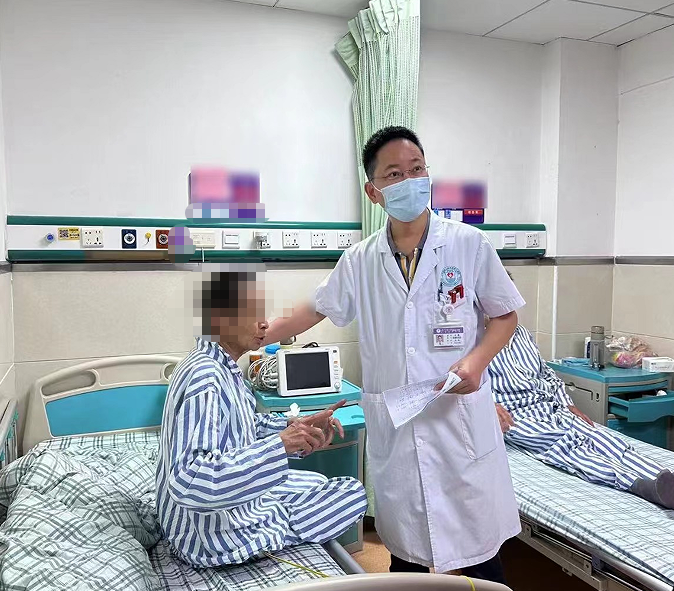
The entire procedure was successful and minimally invasive. By the second day post-surgery, Ms. Chen's left leg began to soften, the swelling significantly subsided, and the tight, burning discomfort was greatly relieved. She was soon able to get out of bed and move around slowly, lifting the heavy burden that had weighed on her for years.
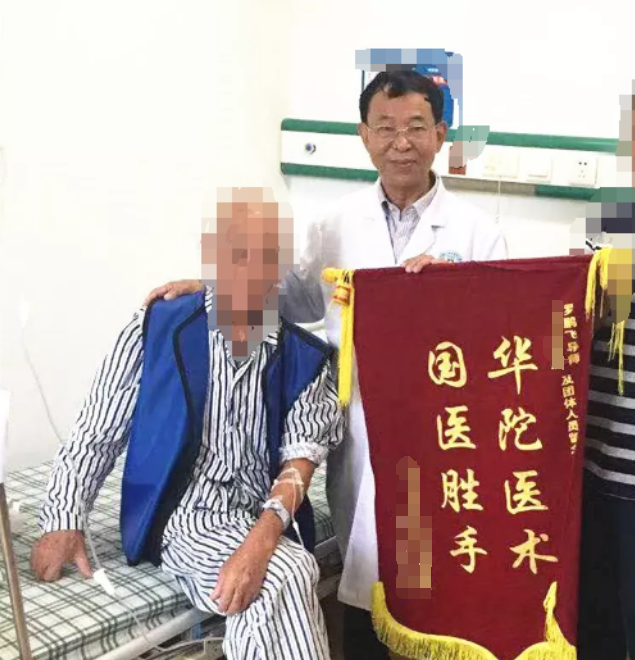
Professor Luo Pengfei, Honorary Dean of the Southern Institute of Interventional Oncology, noted that after radical cancer surgery involving lymph node dissection, lymphatic回流障碍 (lymphatic drainage障碍) is a common complication, often leading to severe limb swelling, commonly known as lymphedema, or "elephantiasis."
If such issues are not addressed promptly, the condition can progressively worsen. Patients not only suffer from abnormal appearance, stiffness, pain, and recurrent fever in the affected limb but also face potential long-term loss of limb function or even disability, severely impacting their quality of life.
Professor Luo Pengfei reminds post-operative cancer patients that if they experience symptoms such as skin tightness in the affected limb, decreased mobility, or pitting edema, they should seek standardized comprehensive decongestive therapy as early as possible, including interventions like skin care, lymphatic drainage, compression therapy, and functional exercises. If lymphedema (elephantiasis) has already developed, immediate medical attention is crucial. Targeted treatments, such as minimally invasive interventions, should be pursued to prevent further deterioration of the condition.