Recently, 66-year-old Jiang experienced a dramatic rollercoaster of emotions, all stemming from a diagnosis of "cancer." A month ago, Jiang was suffering from abdominal pain and全身皮肤黄疸 (jaundice), gradually losing weight. After an examination at a local hospital, which revealed pancreatic swelling and enlarged lymph nodes, he was diagnosed with "pancreatic cancer"... This threw his entire family into a panic. They thought, he's usually been quite healthy, how could he get cancer?
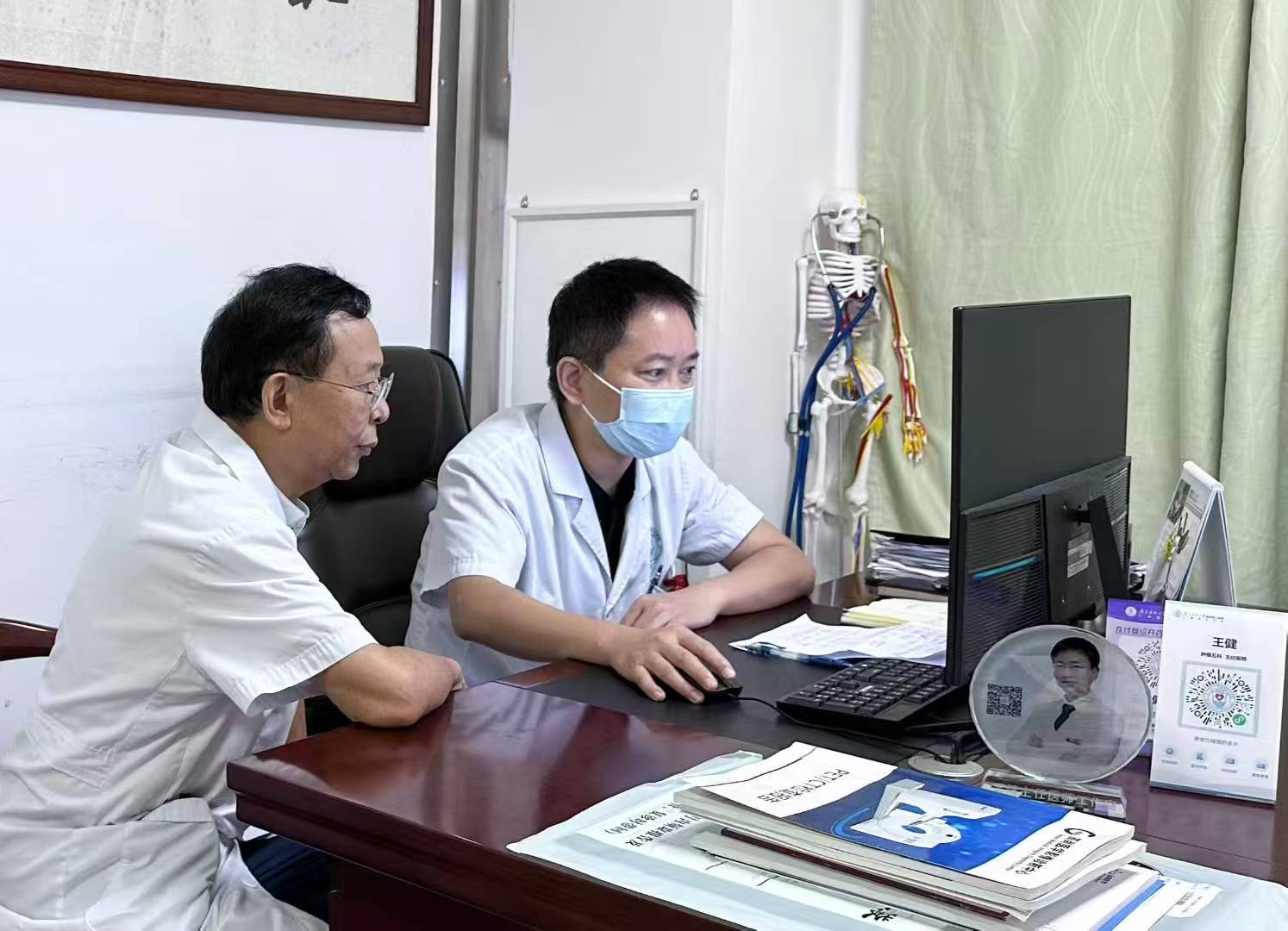
After being initially diagnosed with pancreatic head cancer based on imaging at several major hospitals in Beijing, Shanghai, and Guangzhou, Jiang sought treatment at the Fifth Oncology Department of Guangdong Pharmaceutical University Guangzhou Fosun Chancheng Hospital (Xinshi Hospital). Facing the family's doubts, Professor Luo Pengfei adhered to rigorous medical practice, insisting on a biopsy of the pancreatic head tumor as the gold standard for differentiating cancer. Our hospital's biopsy report indicated: infiltration of lymphocytes and plasma cells. This finding contradicted the imaging diagnosis of pancreatic cancer. Leveraging his extensive clinical experience and professional network, Professor Luo consulted with pathology experts from Guangdong Provincial People's Hospital, proposing an IgG4 immune test to investigate further.
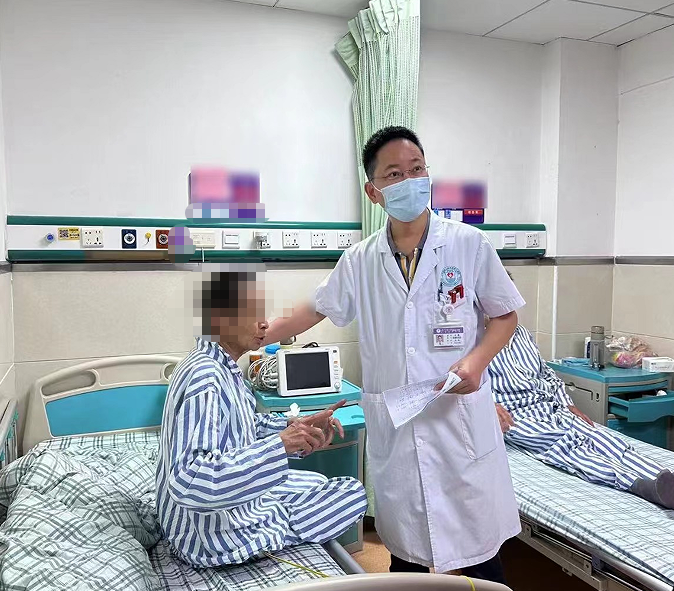
Their efforts paid off. After several rounds of intense testing, the final answer from the doctors finally eased the Jiang family's anxiety. The test results confirmed that Jiang had a pancreatic allergic reaction-type disease. "Mr. Jiang, this isn't pancreatic cancer. It's a type of pancreatitis, specifically called IgG4-related pancreatitis. Please rest assured!"
The patient went from tears to joy, feeling as if he had been miraculously pulled back from the brink of life and death. It's important to know that the treatment for pancreatic cancer, the "king of cancers" with an extremely high mortality rate, is completely different from that for benign pancreatic inflammatory reactions. It turned out that this allergic reaction-type pancreatic disease had caused the common bile duct to thicken and narrow, obstructing bile drainage and causing reflux into the bloodstream, leading to systemic jaundice. Professor Luo's profound clinical expertise prevented a rare case of misdiagnosis where an allergic reaction-type pancreatic disease could have been mistaken for "pancreatic cancer."
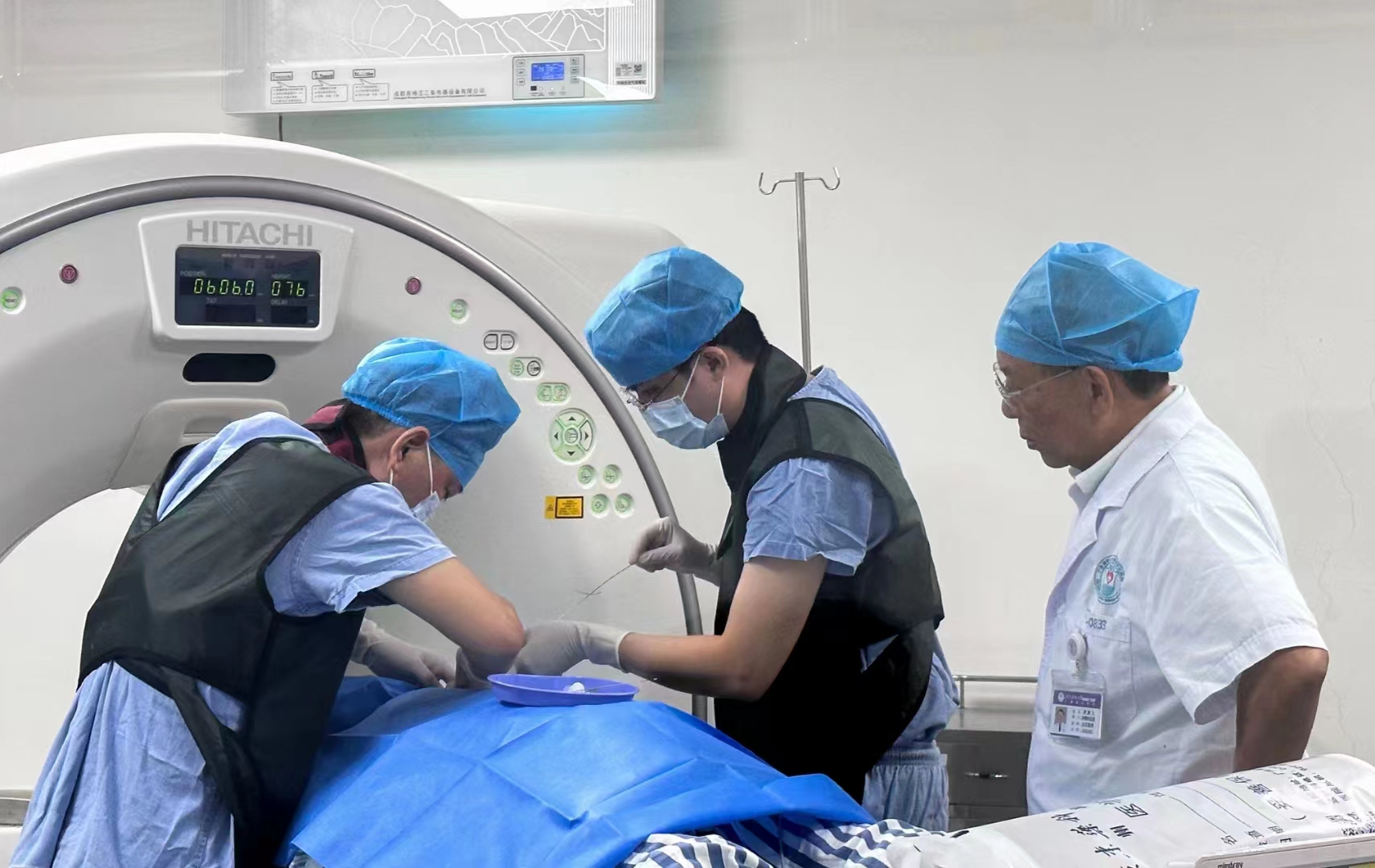
Following a consultation with Professor Luo Pengfei and Director Wang Jian's team in the Fifth Oncology Department, relevant examinations were promptly completed. The tests revealed a beak-like stricture-occlusion at the terminal end of the patient's common bile duct. To alleviate the patient's symptoms, the medical team performed a PTCD (percutaneous transhepatic cholangial drainage) procedure, along with dilation and stent implantation in the narrowed lower segment of the common bile duct, under DSA guidance.
Thanks to the collaborative efforts of the department's medical and nursing staff, the procedure was successfully completed! Post-surgery, the patient's symptoms, including jaundice, showed significant improvement, and he was recently discharged from the hospital in good spirits.
IgG4-Related Pancreatitis
Immunoglobulin G4-related disease (IgG4-RD) is a relapsing, immune-mediated, fibrotic condition (characterized by severe inflammation and fibrosis). While its incidence is not high, clinicians should consider this disease when patients present with corresponding manifestations.
Common clinical features include swelling and mass-forming lesions in various organs and tissues, such as the pancreas, salivary glands, lacrimal glands, lymph nodes, and kidneys. Precisely because "mass formation" is a primary characteristic, many patients are repeatedly misdiagnosed with malignant tumors or other diseases during their medical journeys, causing immense psychological stress for both patients and their families. While most patients have elevated serum IgG4 levels, the diagnosis of this disease does not solely rely on serum IgG4 levels but requires pathological biopsy. The disease itself is not difficult to treat; the greatest challenge lies in its diagnosis. Only after unveiling its "mystery" can we find the right direction to defeat it together.