For a long time, traditional cancer treatment has faced the dilemma of "killing a thousand enemies while losing eight hundred of one's own." Challenges such as insufficient drug targeting, severe systemic side effects, and limited efficacy have persistently troubled both clinical practice and patients. Now, with a groundbreaking leap in biomedical technology, platelet-based drug delivery technology has emerged powerfully. Leveraging its core advantages of natural targeting, low toxicity, and high efficacy, it completely rewrites the logic of tumor drug delivery, becoming a revolutionary force propelling cancer treatment into an era of precision medicine.
Breaking Traditional Constraints: Platelets Transformed into "Intelligent Cancer-Fighting Couriers"
Chemotherapy and targeted therapy, as conventional cancer treatments, can inhibit tumor growth. However, the drugs struggle to precisely target the lesion as they circulate in the body, leading to significant damage to healthy cells and causing adverse reactions such as hair loss, vomiting, and bone marrow suppression. Furthermore, some drugs fail to penetrate the tumor barrier and reach the core of the lesion, significantly reducing their therapeutic efficacy.
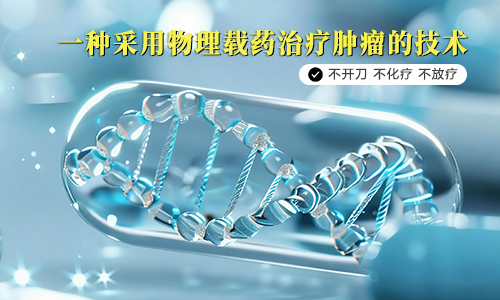
Platelet-based drug delivery technology ingeniously leverages the unique physiological characteristics of the body's own platelets, transforming them into carriers specifically designed for anticancer drugs. Researchers utilize advanced techniques such as electroporation, lipid fusion, and intracellular encapsulation to precisely load anticancer agents—including chemotherapy drugs, targeted therapies, and immunomodulators—either inside the platelets or onto their membrane surfaces. This transforms platelets, originally responsible for clotting, into intelligent couriers equipped with "tumor navigation."
Benefiting from platelets' natural adhesion to tumor tissues and damaged blood vessels, as well as their unique immune evasion capabilities, drug-loaded platelets can evade clearance by the immune system, travel long distances to reach the lesion, and release the drug precisely at the tumor site. This achieves "precise drug delivery and efficient tumor destruction," fundamentally reducing damage to healthy tissues.
Three Major Revolutionary Advantages Reshaping the Cancer Treatment Landscape
Compared to traditional treatment methods, platelet-based drug delivery technology represents a leap from "broad-spectrum killing" to "precision targeting." It possesses three irreplaceable core advantages that completely revolutionize the cancer treatment paradigm.
First, a significant leap in targeting. The platelet membrane surface is rich in specific proteins such as selectins and integrins, which can actively recognize and bind to tumor cells and newly formed blood vessels. This greatly increases the drug concentration at the tumor site, enhancing the destructive effect on the lesion. It also enables precise elimination of residual cancer cells after surgery and microscopic metastases, reducing the risk of recurrence.
Second, notably optimized safety. Using the patient's own platelets as carriers presents an extremely low risk of immune rejection, offering far superior biocompatibility compared to synthetic carriers. The drug is encapsulated within the platelet, preventing premature release and systemic spread, significantly reducing the side effects of chemotherapy and improving patient tolerance and quality of life.
Third, diversified application scenarios. This technology can be used alone for drug delivery to treat solid tumors or combined synergistically with photodynamic therapy and immunotherapy. It is applicable to various malignant tumors, including lung cancer, breast cancer, liver cancer, and glioma, providing a new treatment option, especially for elderly, frail patients or those intolerant to conventional radiotherapy and chemotherapy.
Accelerated Transformation of Research Results, Dawn of Clinical Application
In recent years, research teams worldwide have deeply explored the field of platelet-based drug delivery, with numerous significant studies published in top-tier academic journals like Nature sub-journals. Preclinical data is impressive: tumor targeting efficiency has increased more than 2.6-fold, tumor inhibition rates approach 90%, and no significant systemic toxicity has been observed.
Currently, platelet-based drug delivery technology is gradually entering the clinical translation phase. Several medical institutions in China are conducting cutting-edge clinical studies, and many patients with advanced-stage tumors have already benefited. Industry experts state that this technology not only breaks through the bottlenecks of traditional treatments but also propels the shift of cancer treatment from a "broad-spectrum" approach to a "refined, precise" one, marking a significant milestone in the history of oncology.
Expert Advice: A Rational View of Innovation, Guided by Standardized Care
Experts in the field of oncology caution that while platelet-based drug delivery technology brings new hope for cancer treatment, it is still in the stage of clinical refinement and is not suitable for all cancer patients. Patients must undergo evaluation and guidance from specialized physicians to develop individualized treatment plans. Combining this new technology with traditional methods like surgery and interventional therapy is essential to maximize therapeutic outcomes.
In the future, with continuous technological iteration and wider clinical adoption, platelet-based drug delivery will further unleash its potential, allowing more cancer patients to alleviate their suffering and truly achieve "efficient cancer treatment and pain-free survival." This medical revolution, centered on life, will ultimately benefit countless families.